
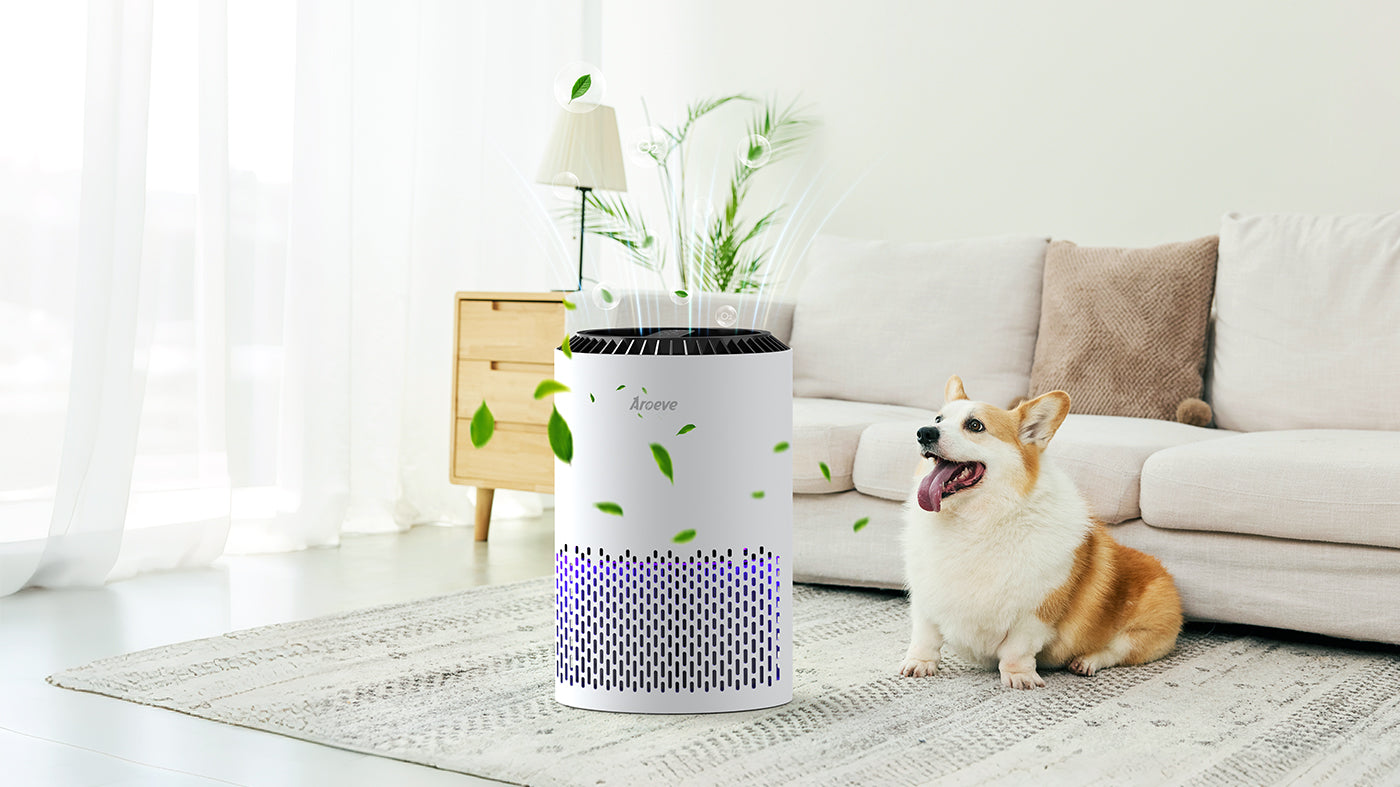
Indoor air quality has become one of the biggest concerns for modern households. From dust and smoke to pet dander and seasonal allergens, the air inside your home can often contain more pollutants than outdoor air. That’s why more families are investing in an air purifier to create a cleaner, healthier living environment.
But what exactly does an air purifier do? How does it work, and is it really worth buying one for your home?
In this guide, we’ll explain everything you need to know about air purifiers, including how they work, their benefits, and how to choose the best air purifier for your needs.
What Is an Air Purifier?
An air purifier is a device designed to remove airborne pollutants from indoor air. It works by pulling air through a filtration system that captures harmful particles such as:
· Dust
· Pollen
· Smoke
· Pet dander
· Mold spores
· Hair
· Odors
· Certain airborne bacteria
Most modern purifiers use a HEPA filtration system, which is highly effective at trapping microscopic particles. According to multiple industry sources, true HEPA filters can capture up to 99.97% of particles as small as 0.3 microns.
For many households, a home air purifier is no longer considered a luxury item. It has become an essential appliance for maintaining indoor comfort and healthier breathing conditions.
How Does an Air Purifier Work?
Most air purifiers operate using the same basic process:
1. A fan pulls indoor air into the purifier.
2. The air passes through multiple filter layers.
3. Pollutants become trapped inside the filters.
4. Clean air circulates back into the room.
The effectiveness of an air purifier depends heavily on the quality of its filters and airflow system.
HEPA Filtration
The most important component in many purifiers is the HEPA filter.
99.97% of particles at 0.3 μm99.97\%\ \text{of particles at}\ 0.3\ \mu m99.97% of particles at 0.3 μm
HEPA filters are widely recommended because they effectively capture fine particles like pollen, smoke, dust, and pet dander.
Activated Carbon Filters
Many advanced air purifiers also include activated carbon filters, which help absorb:
· Cooking smells
· Smoke odors
· Pet odors
· VOCs (volatile organic compounds)
This is especially useful for homes with pets, smokers, or kitchens connected to living spaces.

Air Circulation Technology
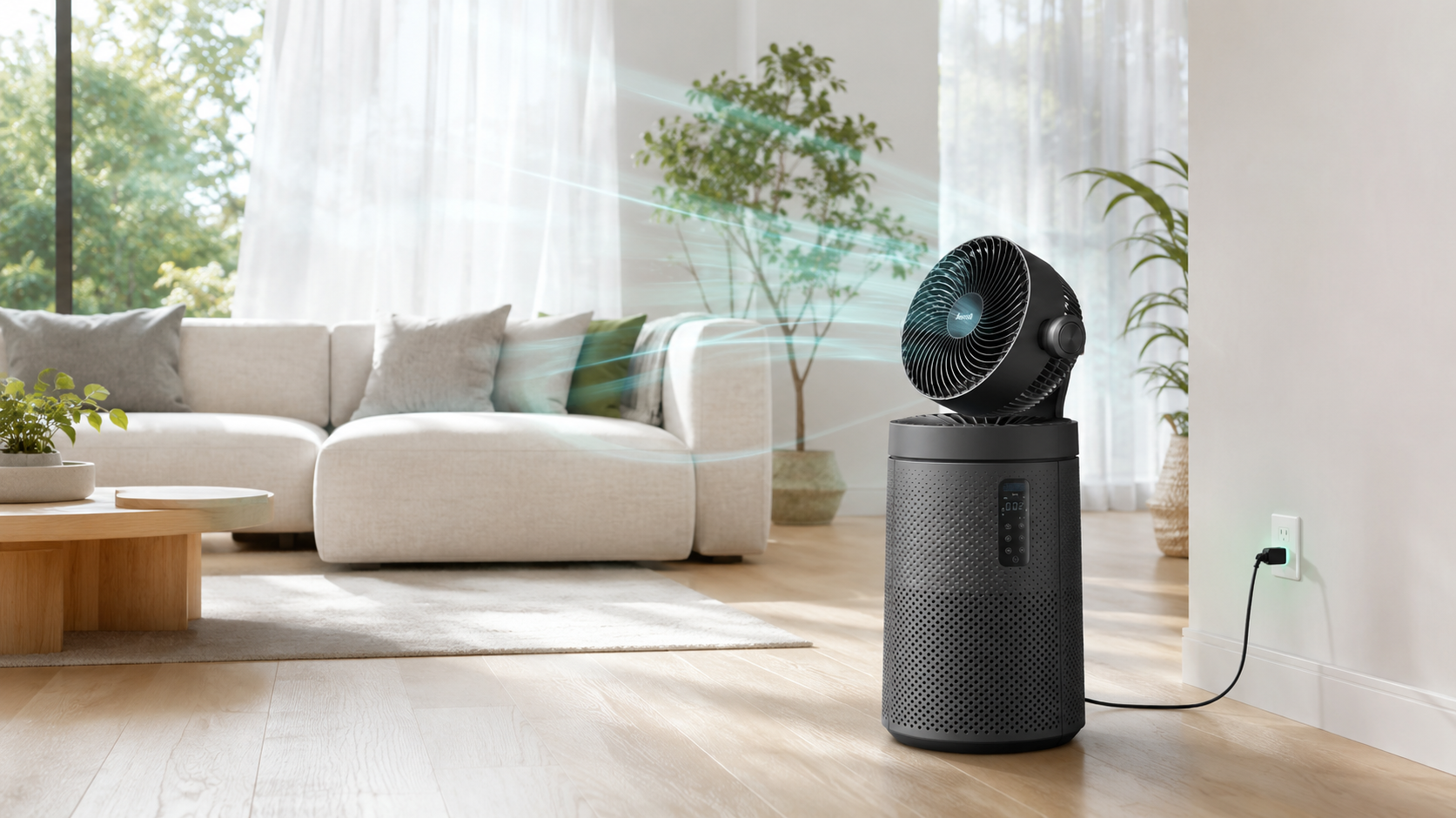
A purifier’s fan system determines how quickly it can clean a room. Strong airflow and 360-degree intake systems allow clean air to circulate more efficiently throughout the home.
For example, the Aroeve Air Purifier Collection uses dual-channel air intake and wide circulation technology to refresh indoor air multiple times per hour.
What Pollutants Can an Air Purifier Remove?
Dust and Allergens
One of the main reasons people buy an air purifier is to reduce allergens.
Common airborne allergens include:
· Dust mites
· Pollen
· Mold spores
· Pet dander
A quality purifier continuously removes these particles from the air, helping reduce sneezing, congestion, and allergy discomfort.
Pet Hair and Pet Dander
If you own cats or dogs, pet dander can quickly accumulate in your home.
This is why many people search for the best air purifier for pets. Pet-focused air purifiers help remove:
· Floating pet hair
· Dander particles
· Litter box odors
· Wet dog smells
Many users report noticeable improvements in air freshness and breathing comfort after using HEPA-based air purifiers in pet households.
For homes with multiple pets, choosing a purifier with strong airflow and a large room coverage area is especially important.

Smoke and Odors
Smoke particles are extremely small and can linger indoors for hours.
A good air purifier for smoke can help remove:
· Wildfire smoke
· Cigarette smoke
· Cooking smoke
· Burnt odors
HEPA filters capture particulate matter, while activated carbon filters help reduce lingering smells.
This has become increasingly important in areas affected by wildfire seasons and poor outdoor air quality.
Pollen and Seasonal Allergies
During spring and fall, pollen levels can become overwhelming indoors.
An effective home air purifier continuously filters incoming pollen particles before they settle on furniture, carpets, and bedding.
Experts often recommend running purifiers continuously during allergy season for the best results.

Benefits of Using an Air Purifier
1. Cleaner Indoor Air
The most obvious benefit is improved indoor air quality.
People spend most of their time indoors, where pollutants can become trapped and concentrated. Air purifiers help reduce those contaminants and create a fresher environment.
2. Better Sleep
Many users notice improved sleep quality after using an air purifier in the bedroom.
Cleaner air may reduce nighttime congestion, coughing, and allergy symptoms, creating a more comfortable sleeping environment.
Quiet operation also matters. Some modern purifiers operate as quietly as 22 dB in sleep mode, making them suitable for bedrooms and nurseries.
3. Reduced Allergy Symptoms
For allergy sufferers, a purifier can make a major difference.
Users on online forums frequently report fewer sinus issues, less sneezing, and easier breathing after installing HEPA air purifiers in their homes.
4. Fresher-Smelling Rooms
Activated carbon filters help eliminate lingering household odors, including:
· Cooking smells
· Pet odors
· Smoke
· Trash odors
This helps rooms feel cleaner and more comfortable overall.

5. Improved Comfort for Pet Owners
Pet owners often struggle with airborne fur and dander.
The best air purifier for pets helps reduce airborne allergens while also minimizing pet-related odors, making the home more comfortable for both guests and family members.
How to Choose the Best Air Purifier
There are many options on the market, so choosing the best air purifier depends on your needs.
Here are the most important factors to consider:
Room Size Coverage
Always choose a purifier designed for your room size.
A small purifier in a large room will struggle to clean the air effectively.
For bedrooms and offices, compact models work well. For larger living rooms or open spaces, higher CADR ratings and stronger airflow are recommended.
HEPA Filter Quality
Look for true HEPA or H13 HEPA filtration.
These filters are considered the industry standard for capturing fine particles such as smoke, pollen, and dander.
Noise Level
A purifier should be quiet enough for daily use.
Low-noise sleep modes are especially important for bedrooms, nurseries, and offices.
Filter Replacement
Filters require maintenance to remain effective.
Experts generally recommend replacing HEPA filters every 3–6 months depending on usage and air quality conditions.
Some modern units include filter replacement reminders for convenience.
Smart Features
Advanced features may include:
· Air quality sensors
· Auto mode
· Timer settings
· Sleep mode
· Air quality indicators
These features help optimize performance while reducing energy use.
Why Many Families Choose Aroeve Air Purifiers
The Aroeve Official Website has become increasingly popular among homeowners looking for affordable and efficient indoor air solutions.
An Aroeve air purifier typically combines:
· H13 HEPA filtration
· Quiet operation
· 360-degree airflow
· Compact modern design
· Multiple fan speeds
· Large room coverage options
According to product descriptions and user reviews, many customers appreciate the balance between performance, quietness, and affordability.
For pet owners, allergy sufferers, and families looking to improve indoor comfort, Aroeve models are commonly considered among the best value options in the home air purifier category.
Do Air Purifiers Really Work?
Yes — when used correctly, air purifiers can significantly improve indoor air quality.
However, it’s important to understand their limitations.
Air purifiers work best when combined with:
· Regular cleaning
· Proper ventilation
· Vacuuming
· Reducing indoor pollution sources
They are highly effective at removing airborne particles, but they cannot completely eliminate all pollutants or replace proper home maintenance.
Still, for most households, an air purifier provides a noticeable improvement in air freshness, comfort, and breathing quality.
Final Thoughts
So, what does an air purifier do?
In simple terms, it helps create cleaner, healthier indoor air by removing pollutants like dust, smoke, pollen, pet dander, and odors.
Whether you’re dealing with allergies, pets, wildfire smoke, or simply want fresher indoor air, investing in the best air purifier for your space can make a meaningful difference in your daily comfort.
A high-quality home air purifier with HEPA filtration can help improve sleep, reduce allergens, and create a more pleasant living environment for your entire family.
If you’re looking for a balance of performance, quiet operation, and modern design, an Aroeve air purifier is a strong option worth considering for bedrooms, offices, and larger living spaces alike.


Hinterlasse einen Kommentar
Diese Website ist durch hCaptcha geschützt und es gelten die allgemeinen Geschäftsbedingungen und Datenschutzbestimmungen von hCaptcha.